Ariyasom Villa
A converted 1942 teak family villa at the quiet dead end of Soi 1, reviewers call it a peaceful oasis a short walk from Nana and Phloen Chit.
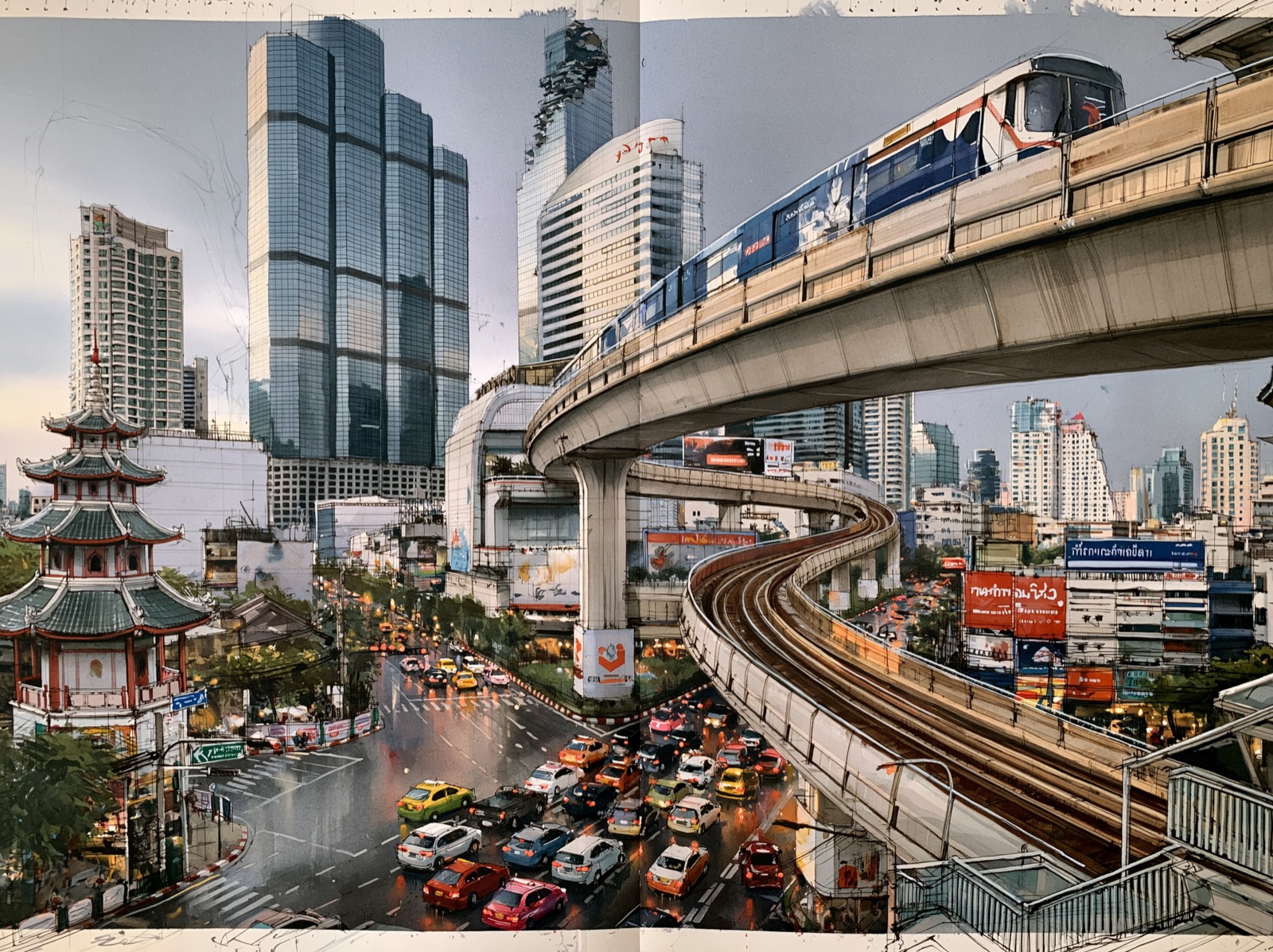
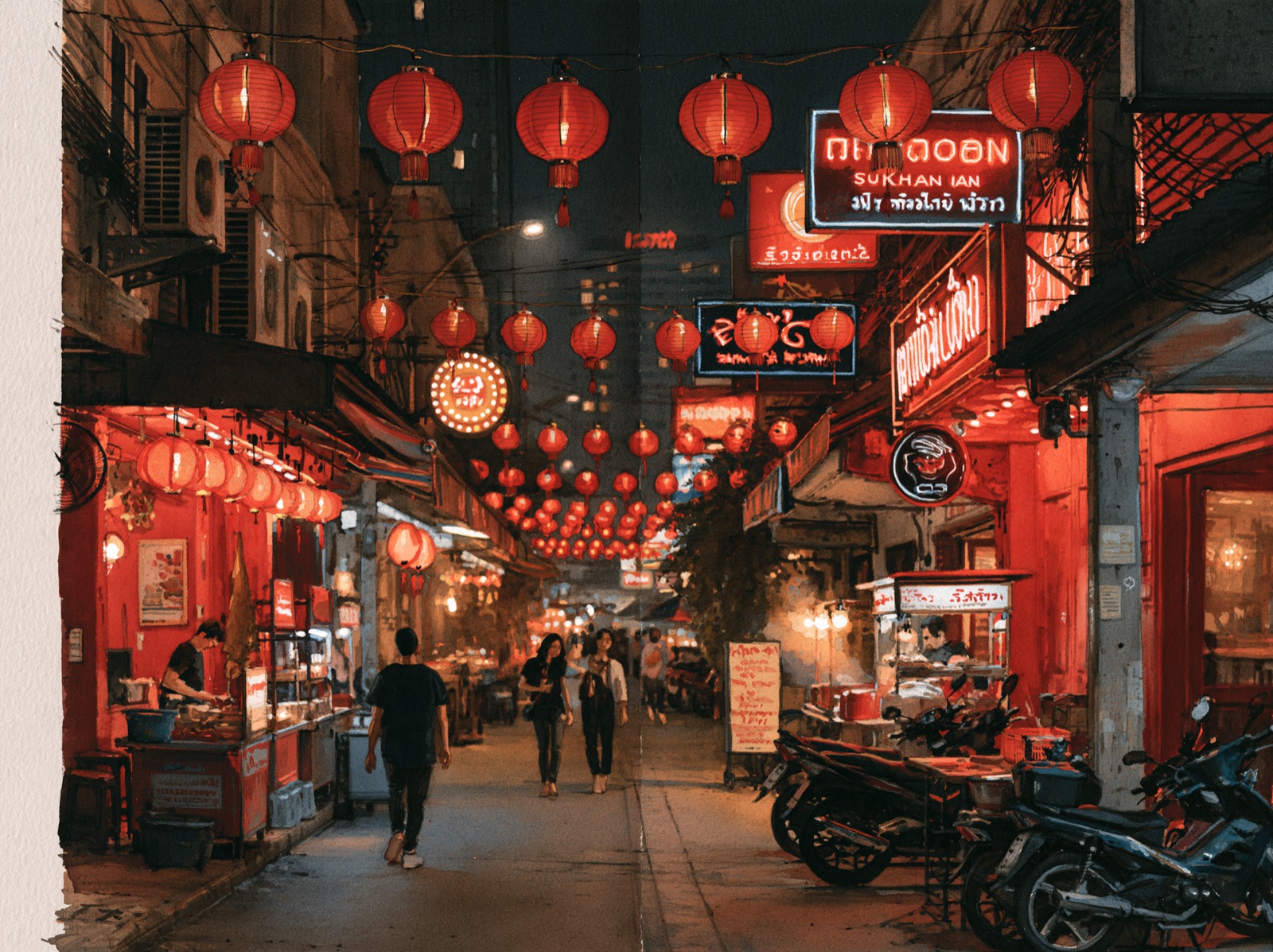
Bangkok rewards travelers willing to embrace a bit of chaos: gilded temple spires rise between glass office towers, longtail boats cut through the Chao Phraya a few blocks from an elevated Skytrain line, and some of the best food in the city comes from a folding table on the sidewalk rather than a restaurant with a menu. The Grand Palace, Wat Arun, and Wat Pho anchor the old riverside city, while Sukhumvit and Silom form the newer commercial spine running east from the river, dense with malls, offices, and nightlife.
Bangkok’s cool season (November to February) is the most comfortable stretch to visit, with lower humidity and the least rain. March through June runs hot, often the hottest and most humid months of the year, and July through October is the rainy season, with heavy but usually short afternoon downpours rather than all-day rain. Hotel prices tend to dip slightly during the hot and rainy months and rise around the cool-season peak, especially over the New Year holidays.
Each neighborhood guide below covers what’s actually local to that area: foot traffic, lighting, proximity to nightlife, which is what actually varies soi to soi, not the city as a whole.
A converted 1942 teak family villa at the quiet dead end of Soi 1, reviewers call it a peaceful oasis a short walk from Nana and Phloen Chit.
Connected by covered skywalk straight into BTS Asok and the MRT interchange, so you barely touch street level.
Reviewers describe Soi 31 as a rare combination: central but noticeably quiet at night.
Reopened in 2024 across from Lumpini Park, right at the Silom MRT / Sala Daeng BTS junction, well away from Patpong.
A boutique hotel on what reviewers call "the quieter side of Silom," toward Chong Nonsi rather than the Patpong end.
A long-running, mission-affiliated guesthouse on a small quiet soi; reviewers repeatedly call it safe, quiet, and clean.