Le Pavillon de la Reine & Spa
Behind a gated entrance on Place des Vosges, Paris's oldest square; reviewers repeatedly describe it as a quiet, tucked-away retreat despite the central location.
Ask a Parisian why they love this city and you’ll usually get a shrug, then somehow a twenty-minute answer. Paris rewards walking: it’s a compact, dense city where world-famous museums, quiet residential streets, and neighborhood markets sit a few blocks apart. Its neighborhoods each have a distinct character, from Le Marais’s medieval lanes to the grand boulevards near the Eiffel Tower, which is part of why a guide organized street-by-street, not just hotel-by-hotel, is actually useful here.
The French even have a word for the kind of aimless wandering this city is built for: flânerie, strolling with no real destination, just to see what’s around the next corner. Beyond the landmarks, that’s really what Paris runs on: sitting outside with a coffee, browsing a neighborhood market, wandering between the Louvre, Musée d’Orsay, and Notre-Dame. Even a first trip built around sightseeing ends up mostly on foot, block by block.
Spring (April–June) and fall (September–October) bring mild weather and thinner crowds than the July–August peak, when the city is warmest, busiest, and some smaller restaurants and shops close for the August holidays. Winter is quietest and coolest, with shorter days but the lowest hotel prices of the year.
Each neighborhood guide below covers what’s actually local to that area: foot traffic, lighting, proximity to nightlife, which is what actually varies block to block, not the city as a whole.
Behind a gated entrance on Place des Vosges, Paris's oldest square; reviewers repeatedly describe it as a quiet, tucked-away retreat despite the central location.
Right on the rue Cler market street, lively with cafés and stalls by day, and consistently described as quiet once the market closes at night.
A chic, residential Trocadéro address across the river from the tower, with a peaceful atmosphere reviewers say holds up despite the landmark next door.
On Rue Vieille du Temple, one of Le Marais's busiest streets by day and its liveliest nightlife strip after dark.
Faces the Champ de Mars directly: ask for a room away from the sports pitch across the street, which some reviewers flag for noise.
A quieter, former-artisan street on Le Marais's Pompidou-facing side; reviewers repeatedly contrast it with the busier crowds found elsewhere in the city.
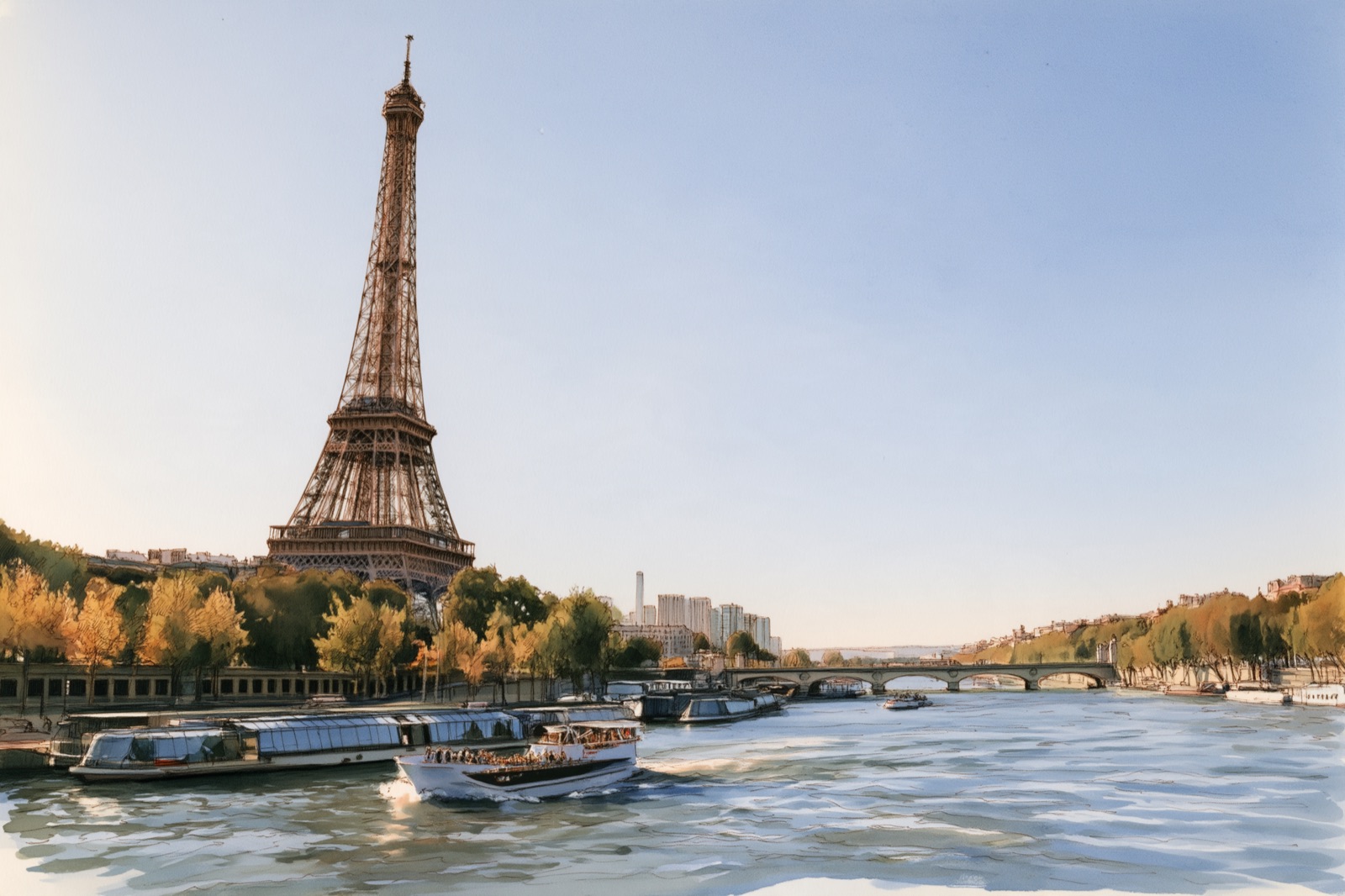
Near the Eiffel Tower
A safety overview of the area around the Eiffel Tower, plus 10 hotels ranked with what to weigh before you book.
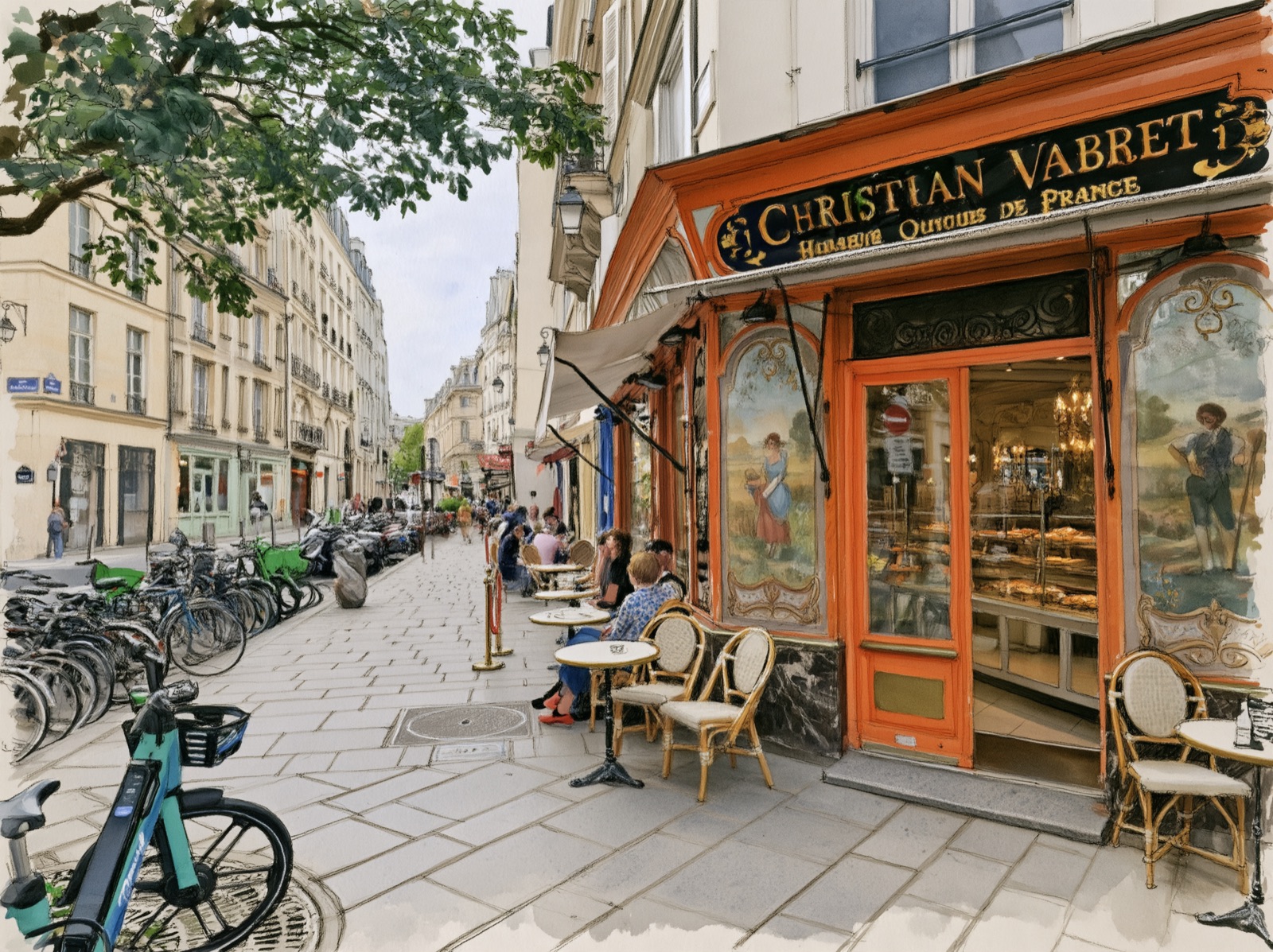
Le Marais
A safety overview of Le Marais, plus 10 hotels ranked with what to weigh before you book.