$
MapHotel Gracery Asakusa
About five minutes from Asakusa Metro and three from Senso-ji, ranked first on Google in our citywide list.
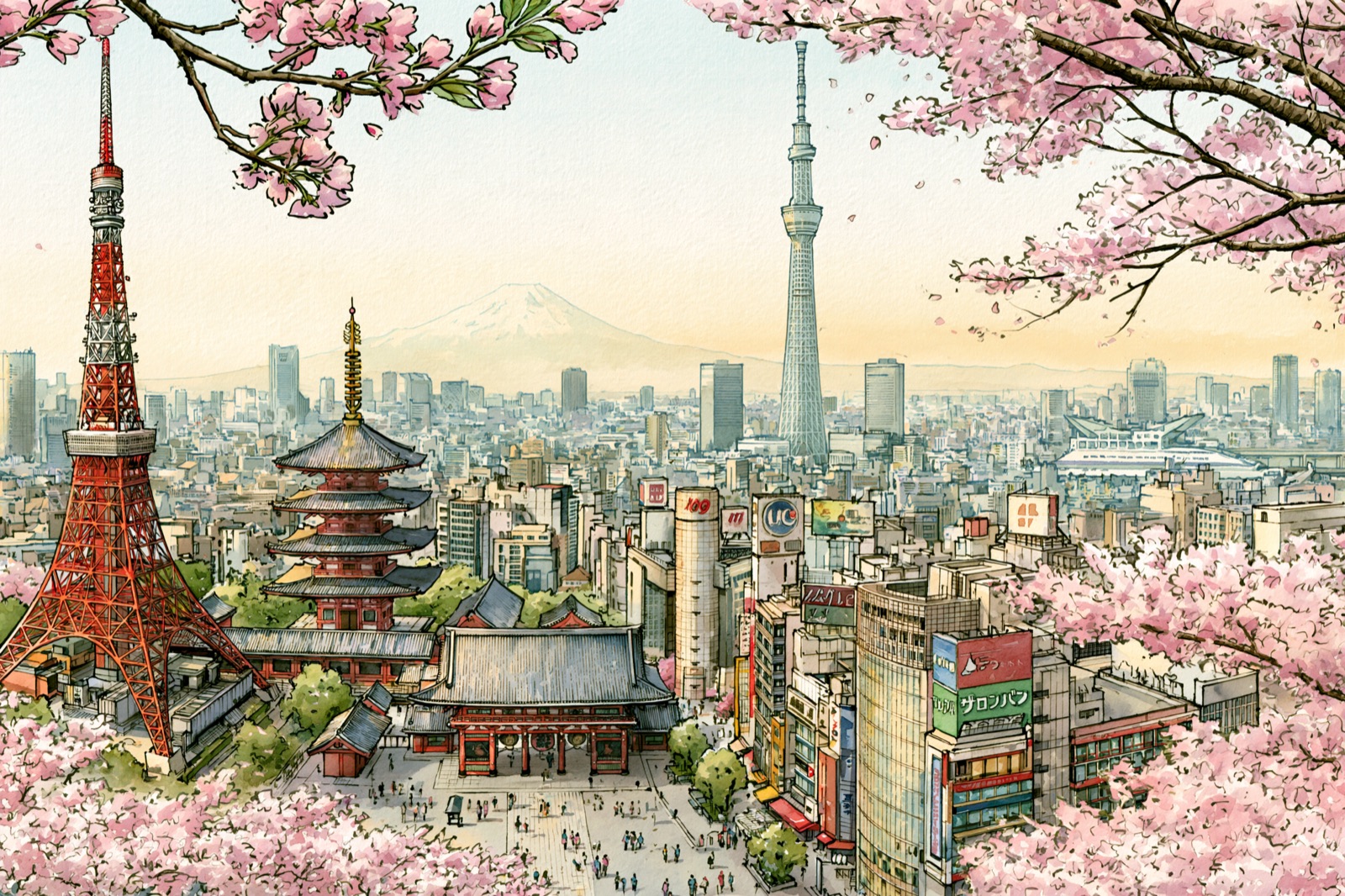
Tokyo is a city of very distinct centers stitched together by the world’s busiest rail network: the Imperial Palace grounds and the older downtown sit east, the department stores and skyscrapers of Shinjuku and Shibuya form a second core to the west, and Asakusa’s temple streets preserve a slower, older Tokyo just a few stops from either. Neon-lit crossings and quiet residential lanes often sit a five-minute walk from each other, and which one you land closest to depends far more on the specific block than on the neighborhood name on the map.
Spring (late March to April) brings cherry blossom season and the most tourist traffic and highest hotel rates of the year; autumn (October to November) offers similarly mild, comfortable weather with noticeably fewer crowds. Summer runs hot and humid with a rainy season in June and early July, while winter is cool and dry, generally the cheapest and least crowded stretch to visit outside of New Year’s.
Getting around is almost entirely by train, and Tokyo’s network is famously fast, frequent and punctual. The JR Yamanote Line loops around the city center, linking Shibuya, Shinjuku, Ikebukuro, Ueno and Tokyo Station, while the Tokyo Metro and Toei subways fill in everything between. A Suica or PASMO card works on every line and in convenience stores. From Narita, the Keisei Skyliner runs to Ueno, and Haneda is only a short train ride from Shinagawa.
Neighborhood guides
Every guide below covers one area, hotel by hotel, with the day picture and the after-dark picture kept separate.
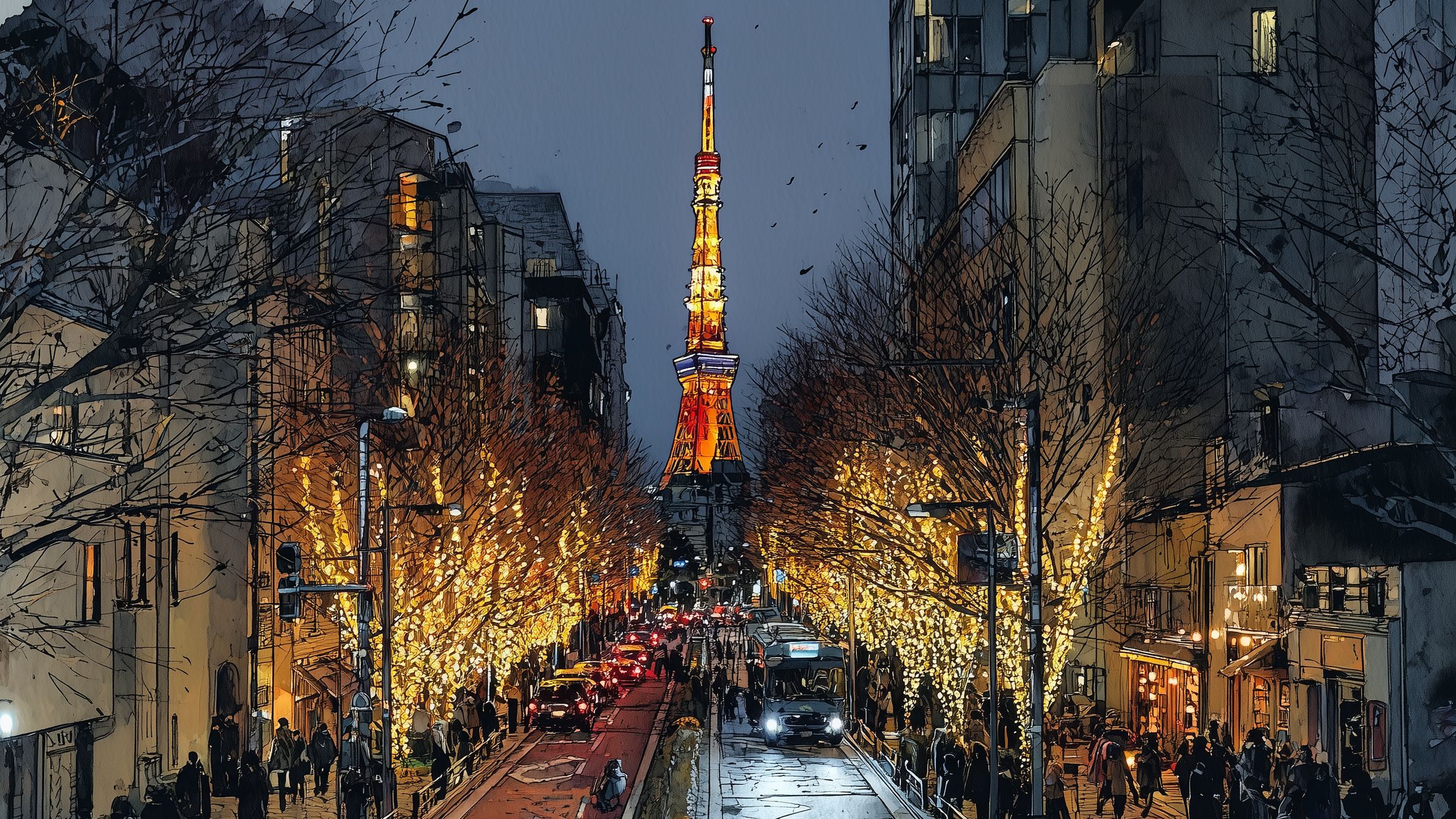
What's on in Tokyo from December to January, and where to stay for it.
Read the guide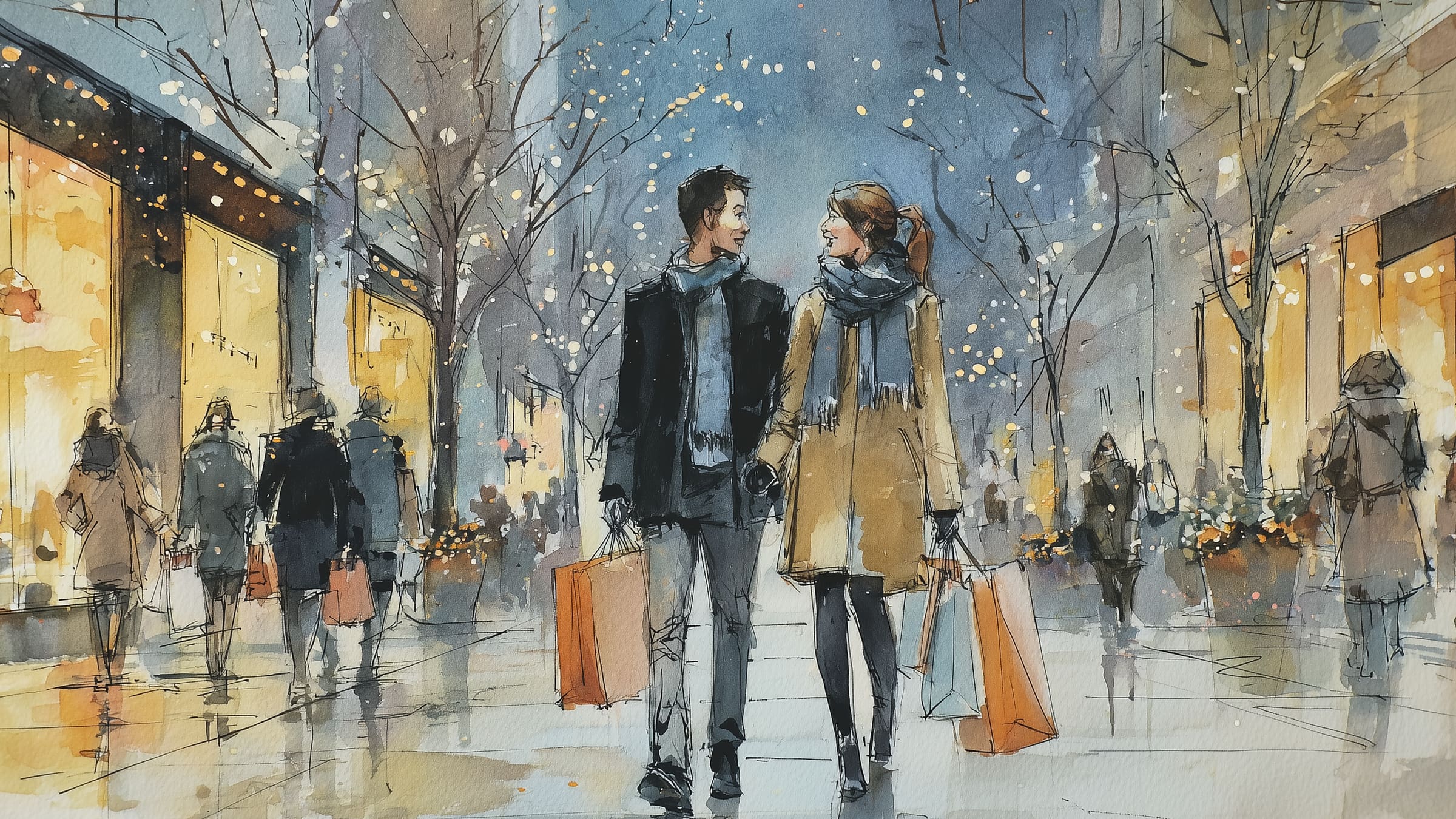
How the new tax-free refund works in Japan, step by step, and what to do differently.
Read the guide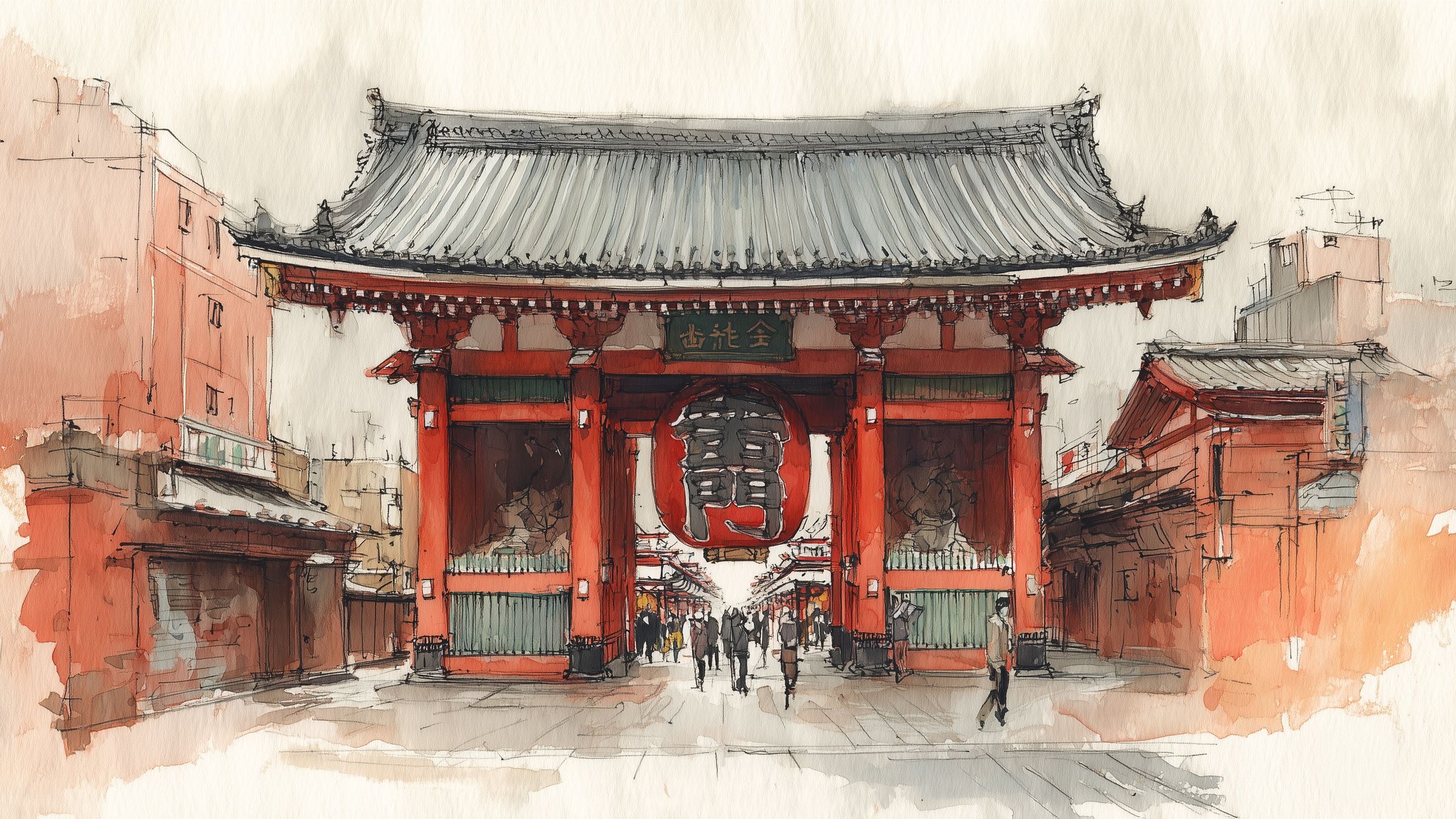
Nine hotels ranked by Google rating, each within a 5-minute walk of a Metro or Yamanote Line station.
Read the guide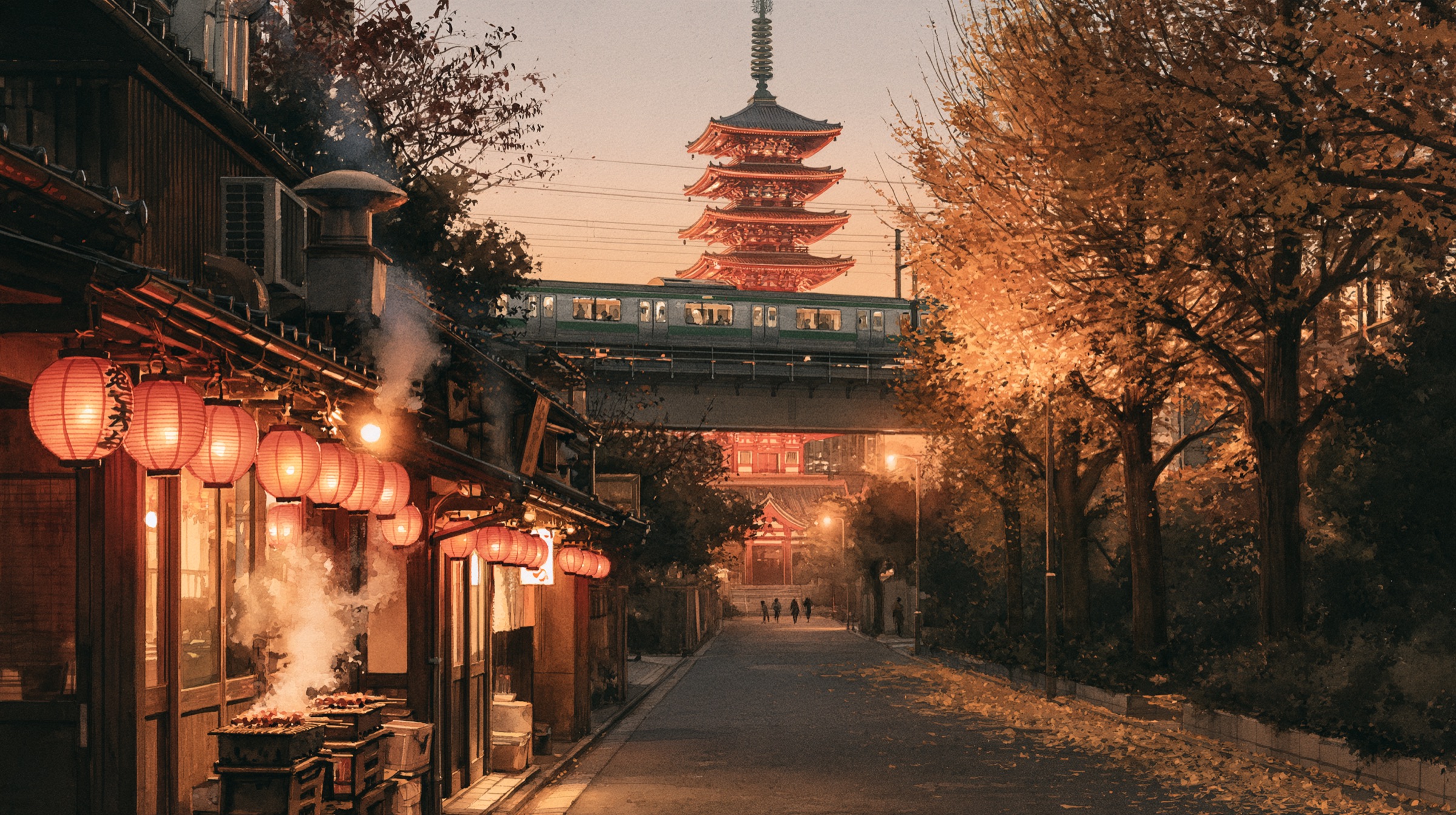
A tower-lined transit hub with Tokyo's best-known nightlife district, or an older museum-and-park neighborhood with the direct train from Narita.
Read the guide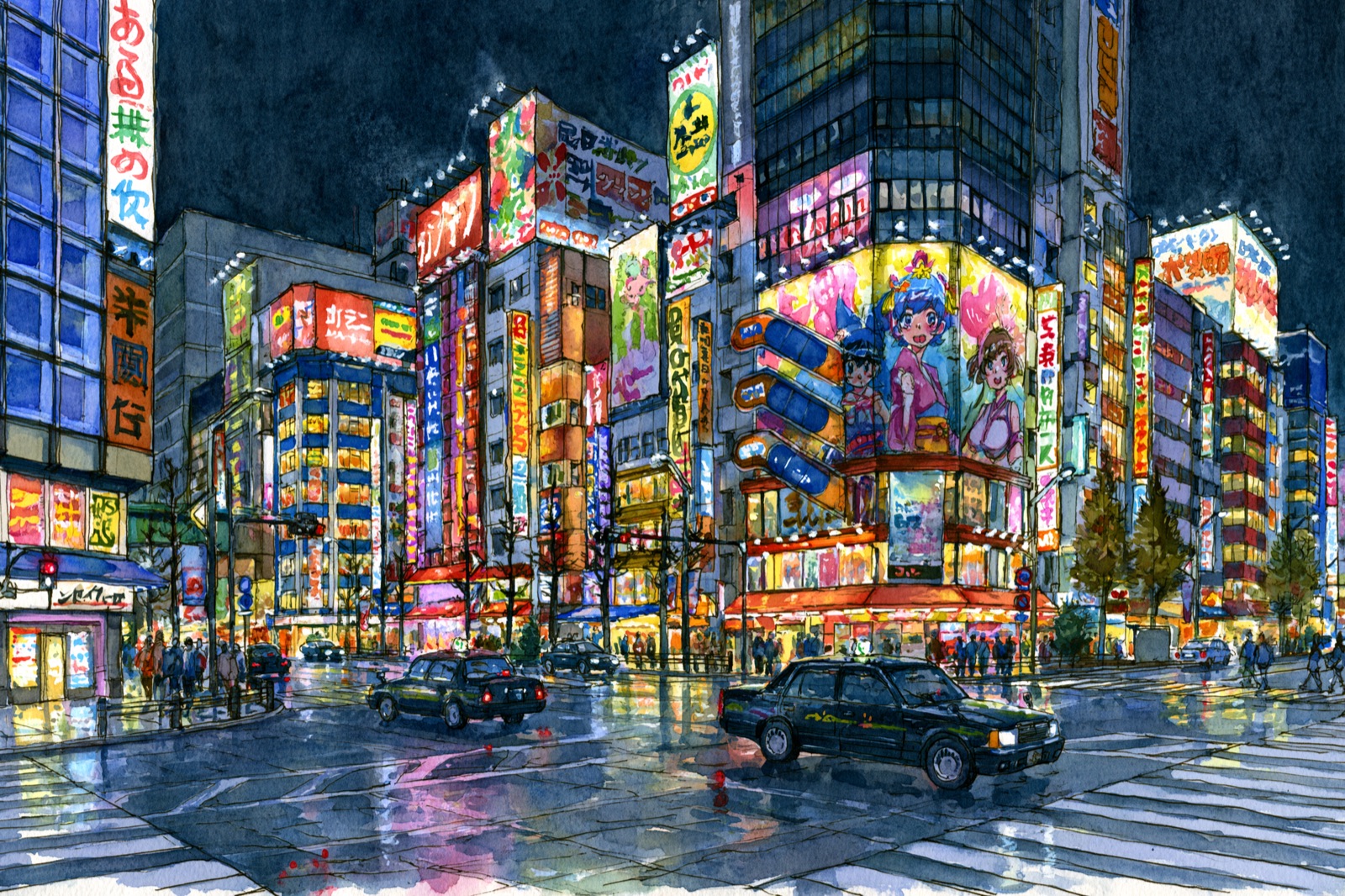
Built around what's widely called the world's busiest station. Orderly office towers to the west, Kabukicho nightlife to the east, and Koreatown just north in Shin-Okubo.
Read the guideThis article contains affiliate links. If you book through one, we may earn a commission at no extra cost to you.
$
MapAbout five minutes from Asakusa Metro and three from Senso-ji, ranked first on Google in our citywide list.
$
MapA public bath and about five minutes to Akasaka Metro, tied for the top Google rating in our citywide list.
$$$
MapSteps from Shinjuku Station but reviewers call the immediate street quiet and orderly, well away from Kabukicho's nightlife.
$$
MapRight on Kabukicho's calmer edge, an easy walk to Golden Gai's bars without staying inside the busiest block.
$
MapA quiet side street in Tokyo's Koreatown, near east Shinjuku's bars without sitting on top of them.
