€€€€
MapHotel Palazzo Manfredi
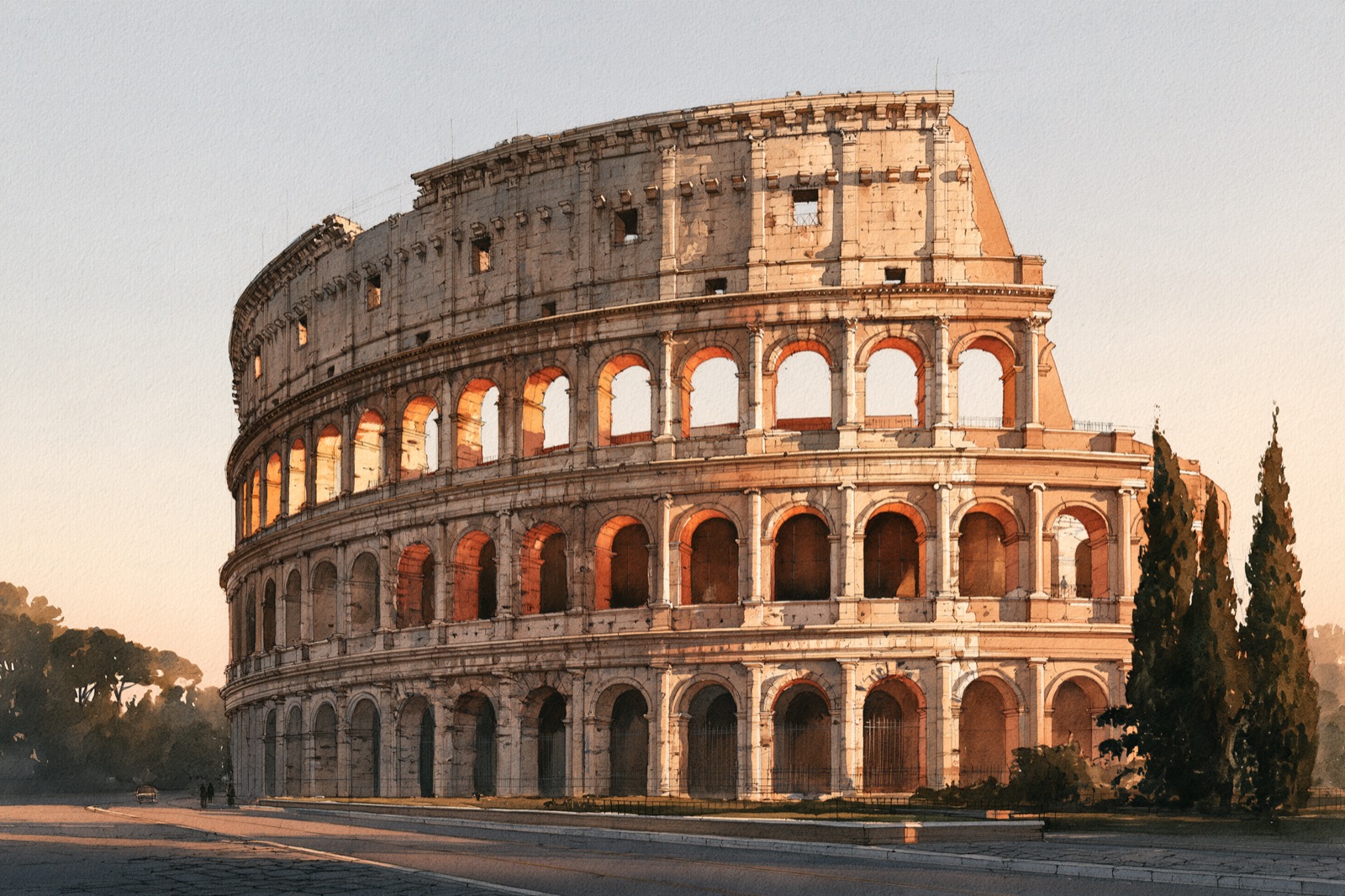
Right across from the Colosseum with rooftop views of it; reviewers do flag street noise, so ask about a room away from the road.
There’s an old saying that Rome wasn’t built in a day, which is really good news if you’re trying to see it in one trip: you’re not supposed to rush it. Rome rewards slow wandering just as much as sightseeing. Ancient ruins, Renaissance piazzas, and neighborhood trattorias sit within a few blocks of each other across the historic center, from the Colosseum and Roman Forum to the village-like streets of Monti.
Beyond the monuments, Rome runs on its piazza and trattoria culture: an espresso standing at the bar, an evening passeggiata, wandering between the Pantheon, the Trevi Fountain, and the Vatican Museums. Italians have another phrase for this kind of pace: dolce far niente, the sweetness of doing nothing. Even a first trip built around sightseeing ends up mostly on foot.
Spring (April–June) and fall (September–October) bring mild weather and thinner crowds than the July–August peak, when the city is hottest and busiest, and many Romans themselves leave town for the August holidays (Ferragosto). Winter is quietest and coolest, with shorter days but lower hotel prices.
Each neighborhood guide below covers what’s actually local to that area: foot traffic, lighting, proximity to nightlife, which is what actually varies block to block, not the city as a whole.
€€€€
MapRight across from the Colosseum with rooftop views of it; reviewers do flag street noise, so ask about a room away from the road.
€€€
MapA quieter side street off Via Labicana, with a rooftop garden guests repeatedly call a calm retreat.
€€
MapOn the busy Via Cavour corridor connecting Termini to the Colosseum, with restaurants and shops right outside.
€€€
MapA quiet lane reviewers call "the heart of Old Rome," a few minutes from the Forum and Colosseum.
€€
MapA residential Celio side street guests repeatedly describe as a peaceful, family-run haven.
€€
MapAbout 300m from the Colosseum on a local Monti street reviewers call "not overcrowded."
€€€€
MapA quiet residential block behind Piazza Cavour, where reviewers describe the street rather than just the room as quiet.
€€
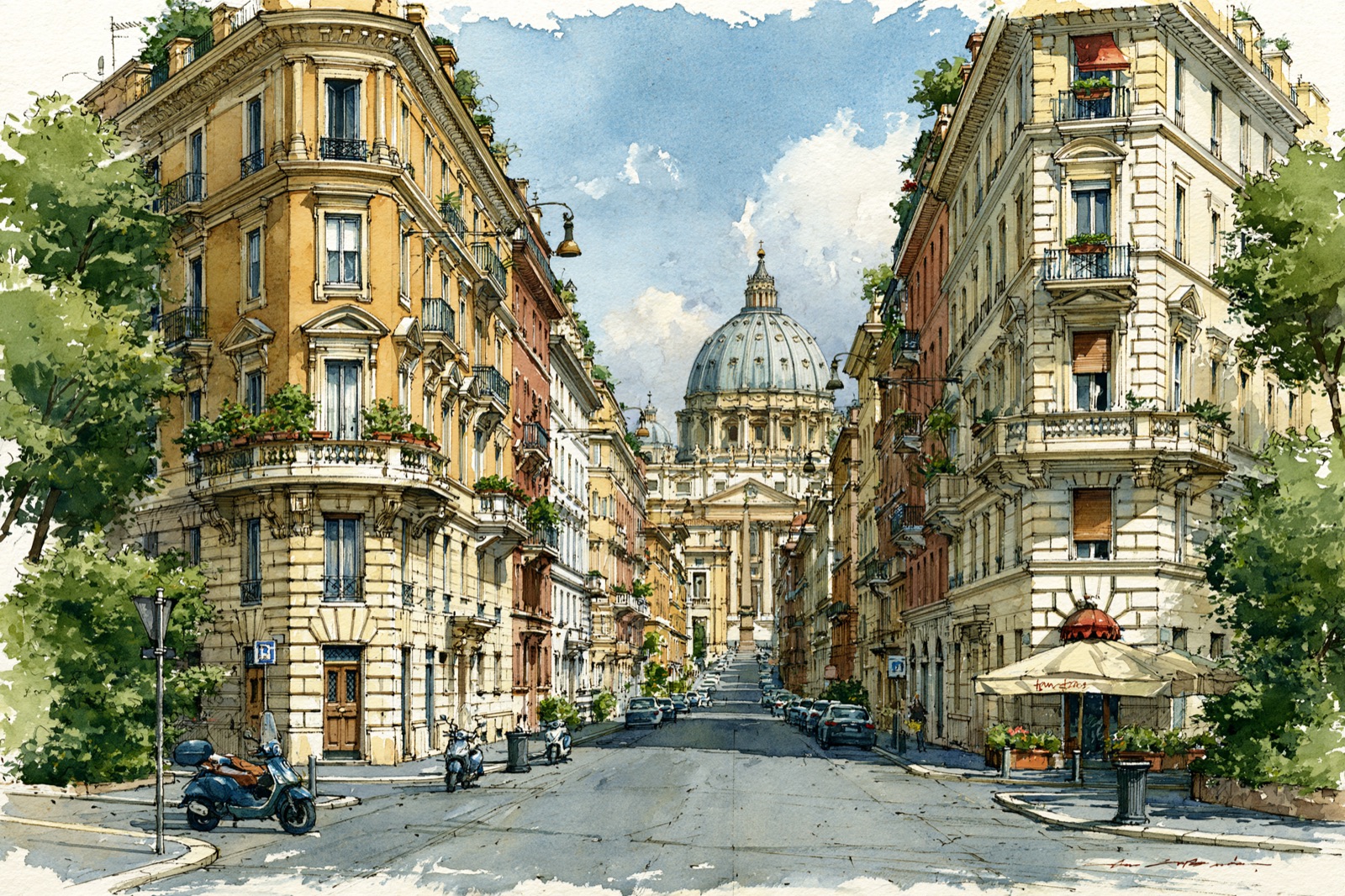
MapA five-room guesthouse on a residential corner off the Via Cola di Rienzo shopping run, five minutes from Lepanto.
€€€
MapNear Piazza Risorgimento and the Vatican walls, with its entrance down a side street and two bars seconds away.